


Hyperlocal Commerce: How Quick Commerce is Changing Urban Buying Habits
If you live in a big city today, you’ve probably experienced the “10-minute delivery” moment. You’re halfway through cooking dinner and suddenly realize the pasta is missing. Or a lightbulb stops working late in the evening. A few years ago, that meant stepping out to the nearest store.
Now it usually means opening an app.
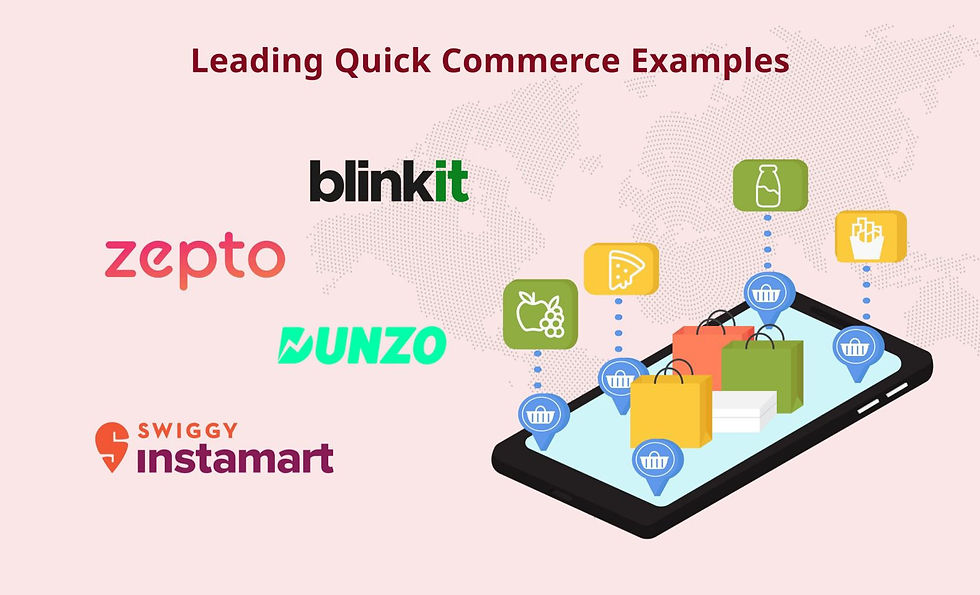
Within minutes, platforms like Blinkit, Zepto, Swiggy Instamart, or BigBasket promise to deliver what you need right to your door. Often, the delivery arrives before the inconvenience even begins to feel like a problem.
What looks like a simple convenience on the surface is actually part of a much larger shift. Hyperlocal commerce isn’t just speeding up delivery, it’s slowly changing how urban consumers think about buying everyday products.
What is Quick Commerce?
Unlike traditional e-commerce, which relies on large warehouses located on the outskirts of cities, quick commerce works through dark stores placed inside residential neighborhoods.
These small fulfillment hubs keep high-demand items close to where people live. Since the distance between the store and the customer is often just two or three kilometers, orders can reach homes in a matter of minutes rather than days.
It’s a logistical shift, but the real impact is showing up in consumer behavior.

The Biggest Shifts in Urban Buying Habits
1. Monthly grocery runs are becoming less common
Not long ago, many families followed a familiar routine: one large grocery trip every month. The idea was simple, stock up and avoid repeated visits to the market.
Quick commerce is gradually changing that pattern. Instead of planning purchases weeks in advance, many urban consumers now buy items only when they need them. It might be groceries for the evening meal or a quick refill of something that just ran out.
As a result, individual orders tend to be smaller, but they happen far more frequently.
2. Convenience is starting to outweigh discounts
Price used to dominate buying decisions. Today, speed is often just as important.
A surprising number of consumers are willing to pay a delivery fee or ignore slightly better deals elsewhere if it saves them a trip outside. In a busy urban routine, saving time can feel more valuable than saving a few rupees.
Convenience, in other words, has quietly become a product of its own.
3. Impulse purchases are rising
Quick commerce platforms are perfectly designed for spontaneous buying.
A late-night craving, snacks during a cricket match, or coffee running out during a workday can now be solved instantly. Because the purchase decision and delivery happen so quickly, there’s very little time for second thoughts.
Categories like chocolates, chips, beverages, and ready-to-eat snacks often see the biggest spikes during evenings, weekends, and major events.
4. Smaller brands are getting new visibility
Another interesting shift is happening behind the scenes.
Since inventory decisions are often based on neighborhood demand data, quick commerce platforms are able to experiment with a wider mix of products. This means emerging D2C brands sometimes appear alongside well-known names on these apps.
For niche categories, healthy snacks, specialty foods, premium pet supplies, this can create visibility that might have been difficult to achieve in traditional retail stores.
What This Means for Urban Retail
For customers, the appeal is obvious: everyday problems get solved quickly and conveniently.
For local kirana stores, the picture is more complex. Some have chosen to partner with quick commerce platforms and act as supply points. Others continue to rely on something technology still struggles to replicate, personal relationships, familiarity with customers, and flexible credit.
Looking ahead, hyperlocal delivery is already moving beyond groceries. Pharmacy products, personal care items, electronics accessories, and even some fashion categories are beginning to enter the quick-commerce ecosystem.
The larger trend is becoming clear. Urban consumption is shifting toward speed, proximity, and immediate need, rather than long-term planning.
And for many city dwellers, the idea of waiting days for basic items is already starting to feel outdated.


👏🏻👏🏻
👏🏻👏🏻
Worth reading!!
👏👏👏